
Easter Tech Quest: An Innovation Adventure
Featuring:
– AI Powered Projects: in Storytelling, and App Development
– A Dance Party
– A Grand Finale Talent Show

In today’s fast-paced digital world, social media plays a significant role in the lives of everyone, including students. Connecting with peers and accessing information, platforms like Instagram, TikTok, Snapchat, and WhatsApp have become a daily part of our routines. However, as much as these platforms offer opportunities for learning and connection, they also present certain challenges when not used responsibly, especially when it comes to students’ mental health.
The Double-Edged Sword
Social media can be a source of inspiration and a powerful learning tool, but it can also create unnecessary pressure. Many students are exposed to filtered lifestyles, online comparisons, and unrealistic standards that may negatively affect their self-esteem and emotional well-being. The constant need to stay updated or to “keep up” can cause anxiety and stress and even disrupt sleep patterns.
Common Effects on Student Mental Health
Low Self-Esteem: Comparing oneself to curated images and achievements online may lead students to feel inadequate or undervalued.
Anxiety & Stress: Fear of missing out (FOMO), peer pressure, or online bullying can cause severe mental distress.
Disrupted Focus: Spending excessive time online may reduce attention span and hinder academic performance. It can also make students lose touch with reality and create unnecessary benchmarks for themselves based on what they see online.
Sleep Disturbance: Ideally, students shouldn’t have their phones late at night. Late-night scrolling is linked to poor sleep quality, which in turn affects mood and learning ability.
Encouraging Healthy Digital Habits
As educators and parents, it is important to help children develop a balanced relationship with social media. Schools can play a key role by:
Integrating Digital Wellness in Lessons: We should be intentional about teaching students mindful use of social media, digital etiquette, and screen time management.
Creating Safe Spaces: While children are encouraged to exercise independence as they grow, they must know that as parents and educators we are there for them as support systems so they can feel heard and understood without judgement.
Encouraging Offline Activities: Beyond the gadgets, we should also promote co-curricular programs that help students build confidence and social skills in real life.
Working Together to Support Our Children
Maintaining open communication at home and school is also important as it helps children feel supported. When adults model healthy digital behaviour and engage in meaningful conversations about online experiences, students are better equipped to navigate their digital world responsibly.
At Corona Schools, we are committed to nurturing the whole child academically, emotionally, and socially. As social media continues to evolve, our responsibility remains to guide our learners toward making wise choices that benefit their well-being and future success.
At Corona Schools, we remain dedicated to our mission of providing excellence in education, and we invite you to be part of this incredible journey.
To learn more about all our schools and for information about how to enrol your child(ren), kindly call our admission team on: +234-9031110555, +234-9060004651-2 or Click here to purchase a form.

Featuring:
– AI Powered Projects: in Storytelling, and App Development
– A Dance Party
– A Grand Finale Talent Show


“I think what’s most significant is that in the past 70 years, Corona has grown starting from one school 70 years ago in 1955 precisely

“This anniversary is not just about celebrating our past but embracing the future with renewed commitment,”
Alamutu said.

The Educators’ Roundtable is a pivotal occasion to reflect on our achievements over the past 70 years and discuss the future of education in an
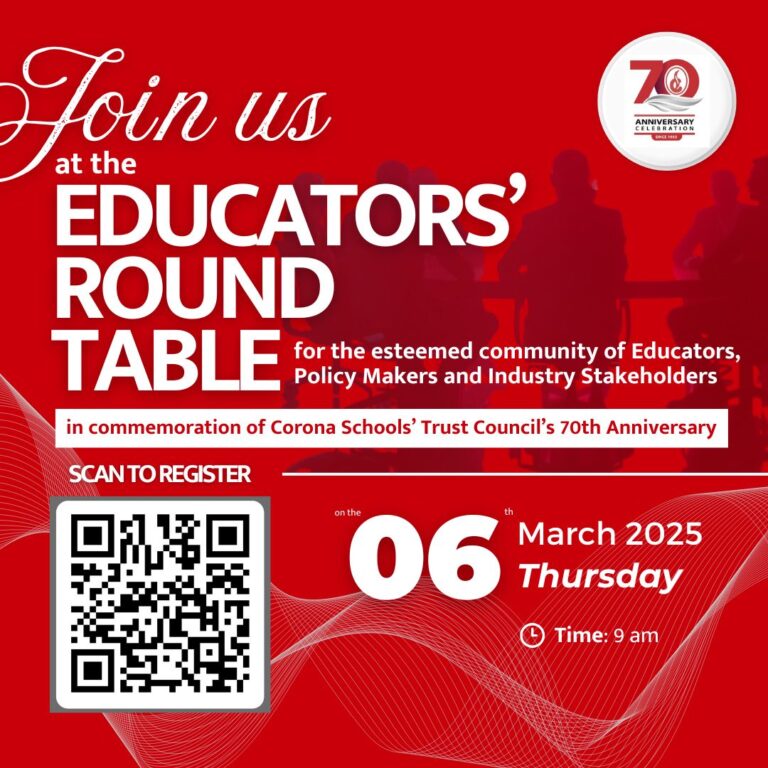
The Educators’ Roundtable is a pivotal occasion to reflect on our achievements over the past 70 years and discuss the future of education in an
We use cookies to deliver the best possible experience on our website. To learn more, visit our Privacy Policy.
By continuing to use this site, or closing this box, you consent to our use of cookies. Cookie Notice.